
Value stream engineering, when enhanced with artificial intelligence, analyzes and designs every step of your operations to increase value and reduce waste. It automatically identifies bottlenecks, optimizes resource allocation, and ensures a smooth workflow from start to finish. As a result, this significantly accelerates productivity and reduces operating costs.
What is value stream engineering, essentially?
Value stream mapping is a strategic methodology focused on analyzing and improving all the steps necessary to deliver a product or service. First, all activities are identified, from the initial concept through delivery to the end customer. These activities are then categorized into those that add value and those that do not.
The primary goal is to increase value-added activities and reduce or eliminate waste. Consequently, this process ensures maximum efficiency and quality. It is not merely a minor adjustment, but a comprehensive rethinking of how work is done to achieve the best possible results.
How is artificial intelligence changing the game in this field?
Artificial intelligence is transforming value stream mapping from a manual process into an intelligent, automated system. For example, machine learning algorithms can analyze vast amounts of operational data to identify hidden patterns and bottlenecks that humans might overlook. Furthermore, AI can predict future problems before they occur.
It also helps dynamically optimize resource allocation based on actual demand. This means that AI does more than just analyze data—it provides actionable recommendations. As a result, companies become more agile and better able to adapt quickly to market changes.
What are the first steps in implementing value stream mapping?
The journey begins by identifying one key process you want to improve. This process should have a significant impact on your business goals. Next, form a cross-functional team with members from various departments involved in this process. This ensures a comprehensive perspective.
The next step is to draw a detailed map of the current value stream. It’s important to document every step, the time spent, and the resources used. This map then provides the foundation needed to identify weaknesses and opportunities to reduce waste. Only then can you begin designing the ideal future state.
How does value stream mapping help reduce waste?
This methodology focuses directly on identifying and eliminating the seven major types of waste, known as “Muda” in the Lean methodology. These types include overproduction, waiting, unnecessary movement, overprocessing, inventory, motion, and defects. First, the team identifies where this waste occurs in the workflow.
Next, using analytical tools, the root causes of each type of waste are explored. For example, the analysis may reveal that long wait times are caused by poor coordination between departments. Therefore, targeted solutions—such as automating tasks or reordering process steps—are developed to ensure a smoother and more efficient flow.
What is the role of process modeling in this engineering?
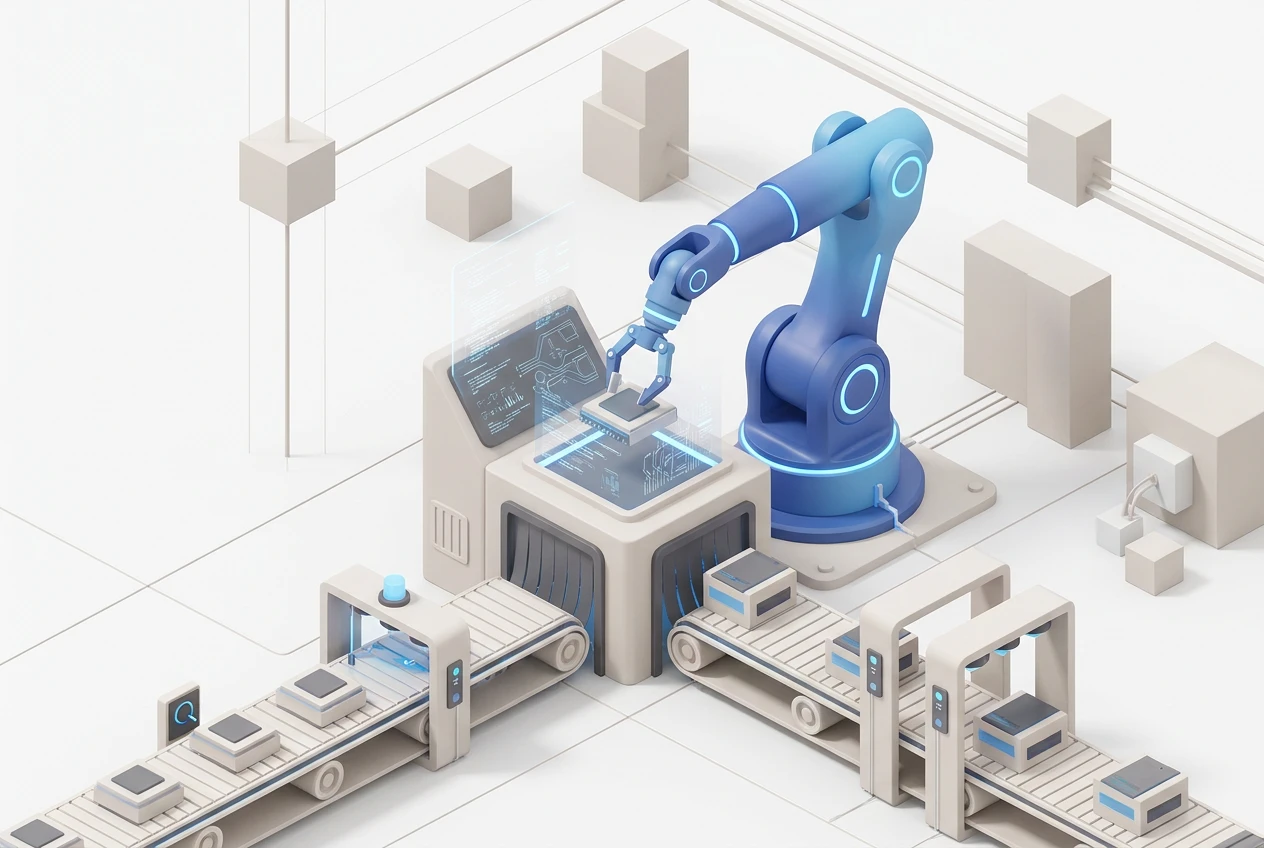
Process modeling is a vital tool in value stream engineering. It is the process of creating a visual representation of the current process, allowing the team to understand exactly how work flows. These models are not just simple diagrams; they can be dynamic simulations that include data on time, cost, and resources.
Furthermore, these models allow proposed changes to be tested in a virtual environment. You can see the impact of a specific adjustment before implementing it in reality, thereby reducing risk. At Lo-ol.AI, we use advanced modeling to ensure that our automation solutions achieve maximum operational efficiency before full implementation.
How can the success of value stream improvement be measured?
Measuring success is essential to ensuring the effectiveness of improvement efforts. Clear key performance indicators (KPIs) must be defined before getting started. These metrics help track progress and justify the investment. By monitoring these metrics, you can ensure that the changes are delivering the desired results.
Important metrics to monitor include the following:
- Total cycle time: The total time from the start of the process to its completion.
- Delivery time: The time it takes to deliver the product or service to the customer.
- Productivity rate: The number of units produced in a given time period.
- Value-added ratio: The percentage of time during which real value is added.
- Product or service quality: Measured by the number of defects or customer complaints.
- Operating costs: The reduction in costs resulting from the reduction of waste.
What are the common challenges when implementing value stream engineering?
One of the biggest challenges is resistance to change from employees. People often feel comfortable with current procedures and may fear that automation will threaten their jobs. Therefore, transparent communication and involving employees in the process are crucial. It must be made clear that the goal is to improve work, not to replace people.
Another challenge is a lack of accurate data. Without reliable data, it becomes difficult to analyze the current situation and measure the impact of improvements. In addition, companies may struggle to set the right priorities. It is essential to focus on the processes that have the greatest impact on business objectives to achieve a rapid and tangible return on investment.
How can you ensure the long-term sustainability of improvements?
To ensure the sustainability of improvements, value stream mapping must become an integral part of the company’s culture. This means it is not a one-time project, but rather an ongoing process of review and improvement. Teams should be encouraged to constantly seek new ways to increase operational efficiency.
Furthermore, it is important to document new processes and train employees on them regularly. Likewise, using dashboards that display key performance indicators in real time can help maintain focus and motivation. At Lo-ol.AI, we help our clients build intelligent systems that monitor performance and proactively recommend improvements, ensuring sustainable growth. Learn more by visiting our Services page.
Frequently Asked Questions
How can value stream mapping enhance operational efficiency?
Value stream engineering analyzes every step in your processes to identify and eliminate waste. As a result, workflow is accelerated, errors are reduced, and resource utilization is optimized, leading directly to a noticeable increase in operational efficiency.
What is the difference between operations management and value stream engineering?
Operations management focuses on managing day-to-day operations. In contrast, value stream mapping is a more in-depth strategic methodology aimed at radically redesigning these processes to increase customer value and systematically reduce waste.
Is this methodology suitable for small businesses?
Yes, definitely. The principles of value stream engineering are universal and can be applied to companies of any size. The tools and techniques may be simpler in small companies, but the focus on value and eliminating waste remains extremely beneficial for achieving growth.
How long does it take to see tangible results?
Some quick improvements can be seen within a few weeks, especially when it comes to eliminating obvious waste. However, major transformations that yield a significant return on investment may take several months, as they require deeper analysis and structural changes.
What is Lo-ol.AI’s role in this process?
Lo-ol.AI specializes in integrating artificial intelligence to accelerate and enhance the value stream mapping process. We use AI agents to analyze data, identify bottlenecks, and automate repetitive tasks, ensuring a measurable return on investment through strategic process automation.
How do I start applying AI to operations management?
Start by identifying a single high-impact process that suffers from inefficiencies. Next, collect data related to that process. A specialized partner like us can help you analyze this data and identify the best opportunities for automation using AI to achieve fast and impactful results. For more information, follow us on Facebook.
Adopting AI-enhanced value stream engineering is no longer an option—it’s a strategic necessity for companies seeking to lead the way. By focusing on value, reducing waste, and intelligently automating processes, you can achieve unprecedented growth. Are you ready to reengineer your path to success? Contact the Lo-ol.AI team today to discover how our customized solutions can transform your operations. Start your journey toward superior operational efficiency.