
Strategic execution using artificial intelligence represents a quantum leap from traditional automation. Instead of performing repetitive tasks, intelligent engines analyze complex business contexts. In addition, they make dynamic decisions and coordinate multiple processes across different systems to achieve specific strategic goals. Consequently, this approach focuses on the end results rather than just the efficiency of individual tasks.
What exactly is strategic execution?
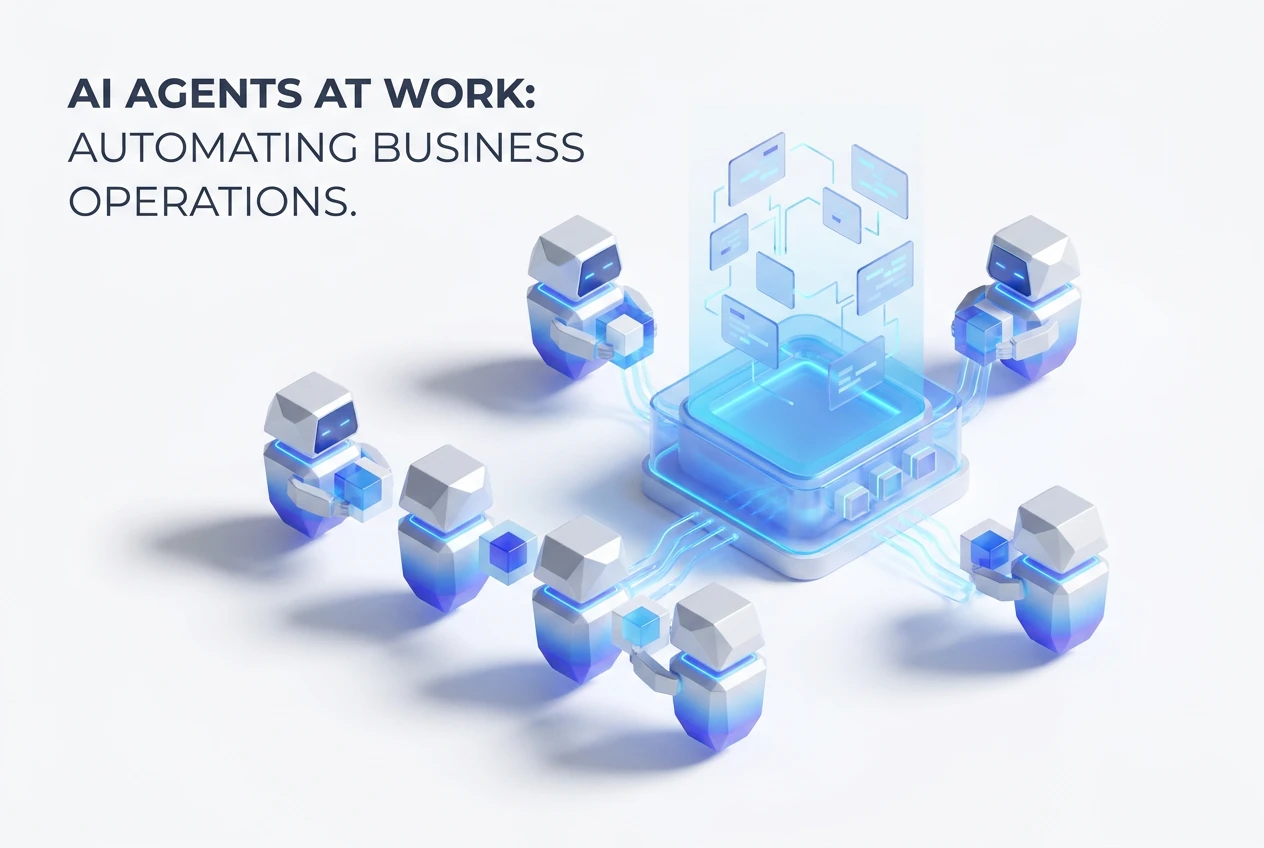
Strategic execution is the application of advanced artificial intelligence to coordinate complex business processes from start to finish. It goes beyond the automation of simple tasks. Instead, it focuses on achieving broad business objectives, such as improving the customer experience or increasing revenue. For example, an AI agent can manage the entire supply chain, from demand forecasting to final delivery. Therefore, it makes strategic decisions at every step.
How is it different from Robotic Process Automation (RPA)?
Robotic Process Automation (RPA) is excellent for repetitive, rule-based tasks. It mimics human actions, such as data entry. In contrast, strategic execution is more intelligent. It uses decision engines to understand context and make complex choices. While RPA focuses on the “how” of completing a task, strategic execution focuses on the “what” to achieve and the “why.” It coordinates multiple tasks across different departments to achieve a common goal.
What are “decision engines” and what role do they play?
Decision engines are at the heart of intelligent process automation. They are software systems that use artificial intelligence and data to analyze complex situations and make optimal decisions. For example, a decision engine in the financial services sector can assess credit risk in real time. Thus, it transforms data into actionable steps. At Lo-ol.AI, we build custom decision engines that are perfectly aligned with our clients’ strategic goals.
How does strategic execution enhance operational efficiency?
Strategic execution radically improves operational efficiency. First, it automates decision-making processes within companies, reducing delays and human error. Furthermore, it coordinates processes across different systems and eliminates barriers between departments. As a result, operations become faster and more seamless. This not only saves costs but also frees up employees to focus on higher-value tasks that require human creativity.
What are the steps for implementing AI to achieve strategic goals?
Successfully implementing AI requires a structured approach. It starts with identifying the key business goals you want to achieve. Next, you must analyze your current processes to identify bottlenecks and opportunities for automation. The next step is to design and build AI agents and decision engines. Finally, these intelligent systems are integrated with your existing tools. At Low AI, we manage this entire process to ensure a seamless transition and measurable results.
How Can You Measure the Return on Investment (ROI) of Smart Automation?
Measuring the return on investment (ROI) of smart automation is critical. It can be measured using clear metrics. These metrics include reduced operating costs, increased process speed, and a lower error rate. In addition, the impact on revenue—such as increased sales or improved customer retention—can be measured. It is important to define these key performance indicators (KPIs) before the project begins to ensure accurate tracking of success.
What Are the Benefits of Strategic Implementation for Growing Companies?
Strategic implementation offers unique advantages to growing companies seeking to expand. It allows them to compete with larger companies by achieving superior operational efficiency. Instead of hiring large teams, they can use AI agents to manage complex operations. This flexible approach allows companies to grow rapidly without significantly increasing costs. Consequently, they can adapt to market changes more quickly.
What are the common challenges, and how can they be overcome?
One of the main challenges is integrating new smart systems with existing infrastructure. Furthermore, change management within the organization is essential to ensure that employees embrace the new technologies. To overcome these challenges, we recommend taking a phased approach. Start with a small pilot project to demonstrate value. Then, scale up successful solutions. Partnering with an expert like Lo-ol.AI ensures smooth implementation and expert project management.
Frequently Asked Questions
How does strategic implementation begin?
It begins with defining a clear strategic goal, such as “reducing order processing time by 50%.” The current process is then analyzed to design an intelligent automation solution that achieves this specific goal.
Does artificial intelligence replace employees?
No, it actually enhances their capabilities. AI automates repetitive and complex tasks, allowing employees to focus on creativity, strategic thinking, and customer service.
What is the difference between an AI agent and a chatbot?
A chatbot is designed for simple conversations. An AI agent, on the other hand, is capable of strategic execution; it can manage entire processes, make decisions, and integrate with multiple systems to accomplish complex tasks.
How long does it take to see results?
It depends on the complexity of the project. However, well-defined pilot projects can demonstrate a tangible return on investment within a few months by improving operational efficiency.
Is this approach suitable for small businesses?
Yes, definitely. Cloud-based solutions give companies of all sizes access to powerful intelligent automation tools without the need for massive investments in infrastructure.
What role does data play in decision-making?
Data is the fuel for decision-making. The higher the quality and accuracy of the data fed into the system, the smarter and more effective the decisions it makes.
The shift from task automation to strategic execution is the future of operational efficiency. It allows companies to achieve their major goals faster and more effectively. If you’re ready to transform your operations using AI agents, our team at Lo-ol.AI is here to help. Explore our services to learn how we can design customized solutions for your business. You can also follow us on Facebook.