
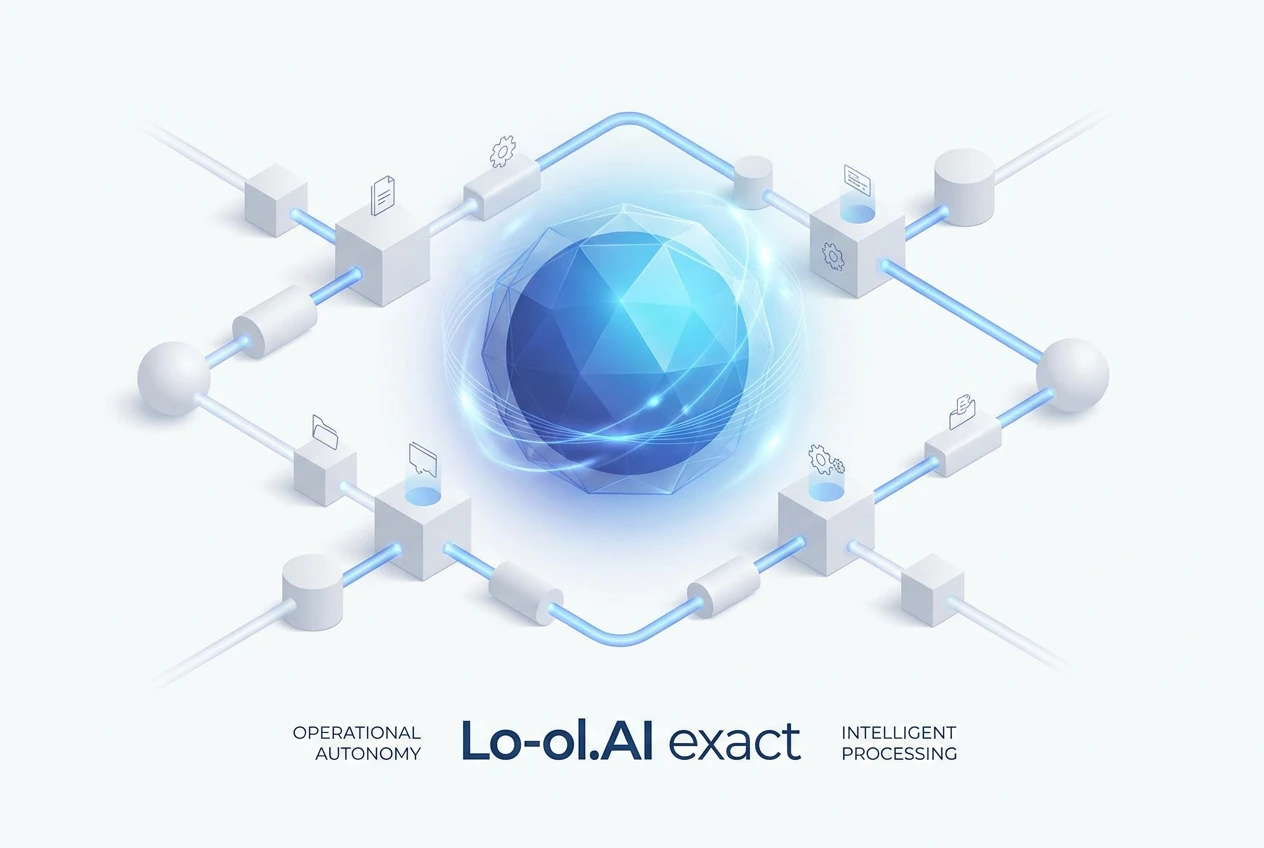
Intelligent systems are advanced artificial intelligence systems that integrate with corporate systems (CRM, ERP) to autonomously coordinate complex processes. They don’t just perform tasks; they manage entire workflows from start to finish. As a result, they provide companies with true operational autonomy, reduce reliance on human intervention, and accelerate growth with high precision.
What exactly are cognitive teams?
Knowledge-based teams are virtual teams of specialized AI agents. Each agent functions as a team member, possessing specific skills such as data analysis, customer communication, or inventory management. Furthermore, these teams do not operate in isolation. They communicate and coordinate with one another autonomously to accomplish complex business objectives. For example, a cognitive team can manage the entire order fulfillment process, from receiving the order to final delivery and updating financial records.
How do knowledge teams differ from traditional automation?
Traditional automation, such as robotic process automation (RPA), focuses on executing repetitive, predefined tasks. It follows strict rules and requires reprogramming whenever a change occurs in the process. In contrast, cognitive teams are characterized by flexibility and the ability to learn and adapt. They use artificial intelligence to understand context and make decisions. Therefore, rather than automating a single task, these teams manage entire processes independently, providing a deeper level of operational autonomy.
What role does self-coordination play in achieving operational autonomy?
Self-coordination of operations is at the heart of what sets cognitive teams apart. Instead of a human manager assigning tasks and monitoring progress, AI agents coordinate their efforts themselves. First, the system analyzes the overall objective of the operation. It then identifies the required tasks and assigns them to the most efficient agents. As a result, any exceptions or changes are handled immediately and automatically, ensuring that work continues efficiently and without interruption.
How do you start building an autonomous operating model for your company?
The transition toward operational autonomy begins with a strategic assessment of current processes. First, you must identify the most complex and time-consuming processes that could benefit from intelligent automation. Next comes the design of the knowledge team and the selection of the required agents. Companies like Lo-ol.AI specialize in this phase, where we help you build the smart operating model that’s right for your company. Especially since integration with your existing systems, such as ERP and CRM, is key to ensuring a seamless flow of data.
What are the direct benefits of implementing autonomous systems?
Implementing autonomous systems offers tangible benefits that go beyond mere cost savings. These systems operate 24/7 with pinpoint accuracy, significantly reducing human error. In addition, they accelerate the pace of operations, turning tasks that used to take days into minutes. This improvement in efficiency frees up employees to focus on innovation and strategic thinking rather than routine tasks. In short, companies gain a tremendous competitive edge.
Can small and medium-sized businesses achieve operational autonomy?
Yes, absolutely. In the past, advanced AI solutions were the exclusive domain of large corporations with massive budgets. But today, the technology has become more accessible and affordable. SMEs can now leverage knowledge-based teams to achieve operational independence and automate core processes. Furthermore, this gives them the ability to scale quickly and efficiently to compete with larger companies in the market without the need for a significant increase in headcount.
What are the common challenges when adopting a smart operating model?
One of the most significant challenges is ensuring data quality and availability, as AI systems rely on it to make accurate decisions. Another challenge is managing change within the organization, as employees may be concerned about how automation will affect their roles. Therefore, a clear strategy for communication and training is essential. Lo-ol.AI works with companies to address these challenges through an integrated approach that ensures a smooth transition and long-term success.
How can you ensure a return on investment from developing AI-powered operational capabilities?
To ensure a tangible return on investment, the focus must be on measurable results from the outset. Rather than adopting technology simply to keep up with the times, clear key performance indicators (KPIs) must be defined. For example, you can measure a reduction in process cycle time, a decrease in error rates, or an increase in the team’s ability to handle a larger volume of work. At Lowell AI, we focus on building solutions that deliver clear, measurable returns, ensuring that your investment in autonomous systems translates into real business growth.
Frequently Asked Questions
What is the difference between a cognitive agent and a chatbot?
A chatbot is designed to conduct simple conversations and answer specific questions. A cognitive agent, on the other hand, is a more complex system capable of performing complete tasks, making decisions, and coordinating with other systems and agents to achieve a specific business objective.
Do cognitive teams require human intervention?
The goal is to minimize human intervention in day-to-day operations. However, the human element remains essential for strategic oversight, setting goals, and handling highly complex situations that require human judgment.
Which industries benefit most from operational autonomy?
All industries with complex, multi-step processes benefit. For example, sectors such as logistics, finance, manufacturing, e-commerce, and customer service can achieve tremendous gains in efficiency and accuracy.
How long does it take to implement a knowledge work team?
The time required depends on the complexity of the process and existing systems. Simple projects can take a few weeks, while more complex projects may require several months. The key is to start with a small pilot project to demonstrate value.
How does this transformation affect current employees?
A successful transformation redefines employees’ roles rather than eliminating them. It frees them from repetitive and tedious tasks, allowing them to focus on higher-value activities such as solving complex problems, interacting with customers, and innovating.
Building operational autonomy is no longer a luxury but a strategic necessity for companies seeking to grow and thrive in a changing world. The knowledge-based teams developed by Lo-ol.AI enable your company to achieve a quantum leap in efficiency and accuracy. Start your journey toward a smart operating model today. Contact us to learn more about our services, and follow us on Facebook to stay up to date on the latest developments.