
Workflow intelligence is at the heart of modern digital transformation. By analyzing patterns and data streams in automated processes, artificial intelligence can identify weaknesses and opportunities for improvement that humans might overlook. Consequently, this transforms workflows from mere operational tools into strategic sources of information. As a result, leaders can make informed decisions based on accurate data to achieve sustainable and effective growth.
What exactly is workflow intelligence?
Workflow intelligence is the application of artificial intelligence and machine learning technologies to business processes. The goal is to go beyond simple automation. Rather than merely executing tasks, the system continuously analyzes and understands them. Furthermore, it offers recommendations to improve performance and increase efficiency. This approach transforms processes from repetitive tasks into strategic assets that generate real value for the company.
How is this different from traditional process automation?
Traditional automation focuses on executing predefined rules. For example, if ‘A’ happens, execute ‘B.’ In contrast, workflow intelligence adds a layer of understanding and analysis. It doesn’t just follow rules—it learns from them and adapts to them. As a result, it can handle exceptions and unexpected variables, making it more flexible and robust than traditional systems.
What operational insights can be gained?
A wide range of operational insights can be derived. First, identifying bottlenecks in operations where work slows down or comes to a halt. Second, uncovering hidden patterns in performance data that point to opportunities for improvement. In addition, it can predict potential problems before they occur, such as resource shortages or spikes in demand. These insights enable companies to act proactively rather than reactively.
How does intelligent operations analytics contribute to decision-making?
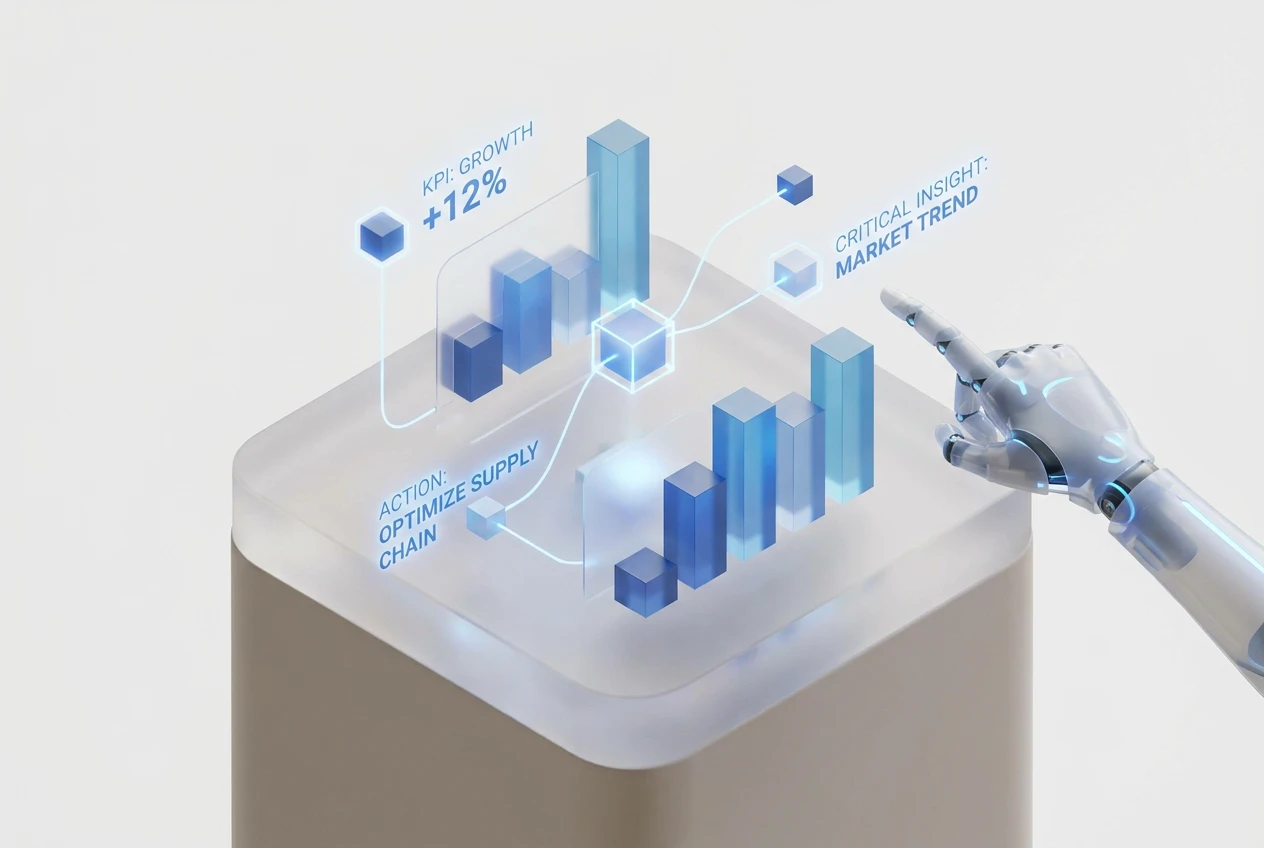
Intelligent operations analytics directly contributes to improving the quality of decisions. Instead of relying on intuition or limited data, managers have access to comprehensive analytical dashboards. These dashboards display key performance indicators in real time. Consequently, leaders can see the impact of their decisions on workflow in real time and adjust their strategies based on accurate and reliable data.
What is the role of workflow intelligence in the automated value chain?
Workflow intelligence plays a vital role in connecting and coordinating all links in the automated value chain. From customer relationship management to the supply chain, the system ensures the seamless flow of data and information. Furthermore, it analyzes interactions between different departments to identify opportunities for integration and improvement. As a result, the entire value chain transforms into an integrated, intelligent ecosystem that operates at peak efficiency.
How can operational data be transformed into strategic insights?
It starts with collecting data from all touchpoints in the workflow. Next, artificial intelligence algorithms are used to clean and analyze this data in search of trends and patterns. For example, the analysis might reveal that certain tasks take longer at specific times. This information, which was previously just raw data, becomes a strategic insight for better resource allocation. Solutions like those offered by Lowell AI help companies achieve this transformation.
What are the benefits of implementing workflow intelligence?
The benefits companies can achieve are numerous and go beyond mere cost savings. These benefits include the following:
- Increased operational efficiency: Reducing the time and effort required to complete tasks.
- Improved decision-making: Relying on accurate data rather than guesswork.
- Enhanced business agility: The ability to adapt quickly to market changes.
- Innovating new business models: Deriving value from automated workflows opens the door to new services and products.
- Higher employee satisfaction: Automating tedious tasks allows employees to focus on creative and strategic work.
How do companies begin their journey with workflow intelligence?
The first step is to identify a single business process that is a good candidate for improvement. This process should be data-intensive and have a significant impact on the business. Next, partner with a trusted expert in this field, such as Lowell AI, to assess the current situation and design a customized solution. It’s important to start small and then scale gradually, ensuring a measurable return on investment and building trust in the technology.
Frequently Asked Questions
What is the main difference between artificial intelligence and automation?
Automation is the execution of repetitive tasks based on specific rules. Artificial intelligence, on the other hand, adds the ability to learn, adapt, and make intelligent decisions based on data, going beyond simply following instructions.
Does implementing AI for workflows require complex technical infrastructure?
Not necessarily. Modern solutions, such as those offered by Lowell AI, rely on an integration-first approach. This means they can work with your existing systems to reduce complexity and speed up the implementation process.
How is the return on investment (ROI) from workflow intelligence measured?
ROI is measured through clear performance metrics. These metrics include time savings, error reduction, increased productivity, and improved customer satisfaction. It’s important to define these metrics before getting started.
Will AI replace employees?
The goal of workflow intelligence is to enhance human capabilities, not replace them. It automates routine tasks, allowing employees to focus on activities that require creativity, critical thinking, and human interaction.
What kind of data is required to run workflow intelligence systems?
The systems rely on data from day-to-day operations. This data can include emails, enterprise resource planning (ERP) data, customer relationship management (CRM) data, documents, and activity logs.
The shift toward workflow intelligence is no longer an option—it’s a strategic necessity. By extracting value from automated workflows, your company can achieve a strong competitive advantage and sustainable growth. Are you ready to transform your operations into a source of intelligent insights? Contact the experts at Lowell AI today to explore how we can help you. You can also follow the latest news on our page.